

Black History Month: Learning From the Power of Collective Action
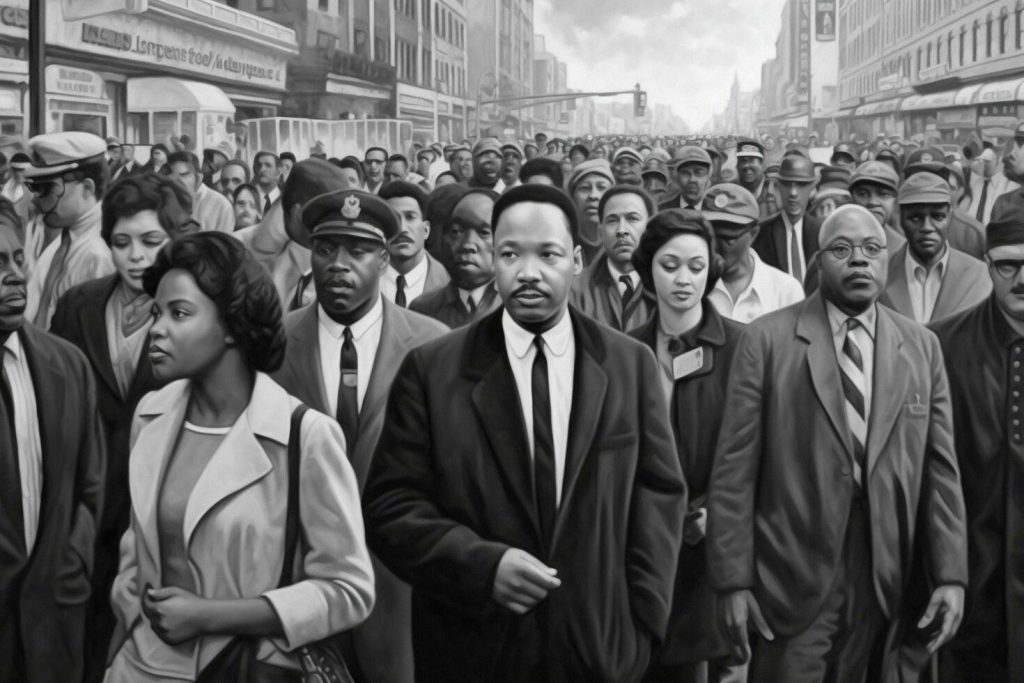
Black History Month is an opportunity to pause, reflect, and deepen our understanding of the people and movements that helped shape a more just society. While individual leaders often take center stage, the Civil Rights Movement was powered by collective action. Students, community members, and organizers working together created change that continues to impact our world today.
For educators, this month is also a chance to help students connect history to real places, real people, and real choices.
Change Happens When People Work Together
The Civil Rights Movement succeeded because it was built on collaboration and persistence. Organizations such as the NAACP, SNCC, and CORE provided structure, training, and support for thousands of individuals who were willing to stand up for equality.
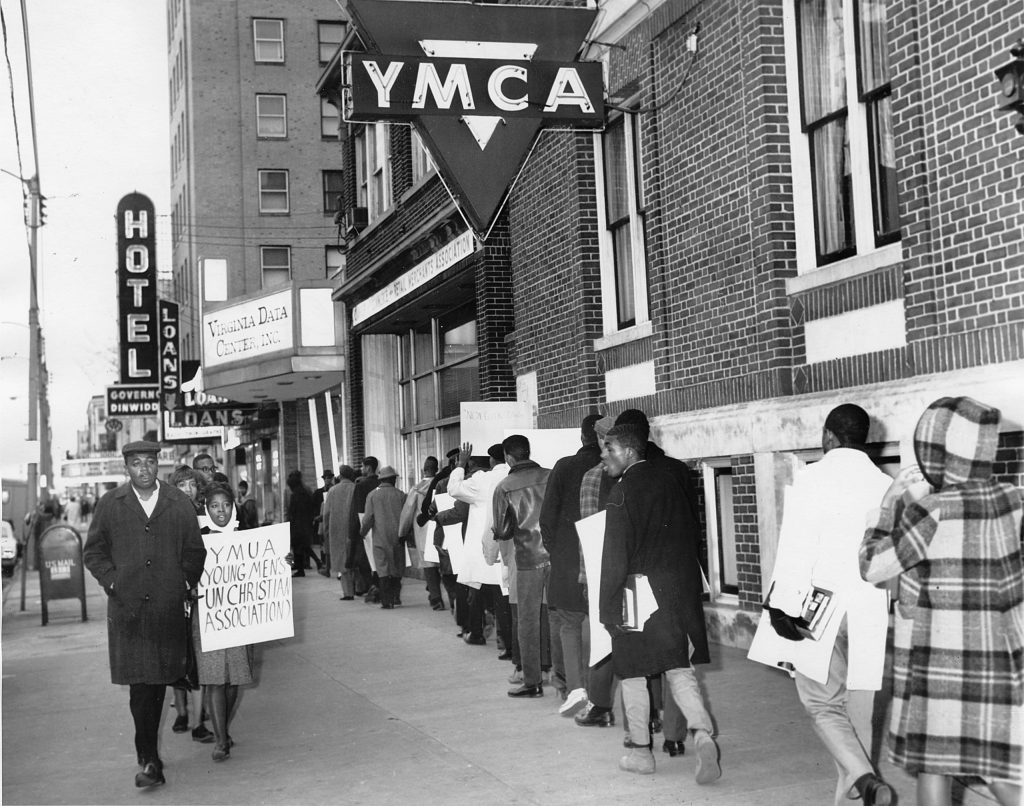
Students played a critical role. Through sit-ins, marches, and voter registration drives, young people proved that leadership is not defined by age. Their actions remind today’s students that their voices matter and that progress often begins when people come together around a shared purpose.
Leadership Rooted in Community
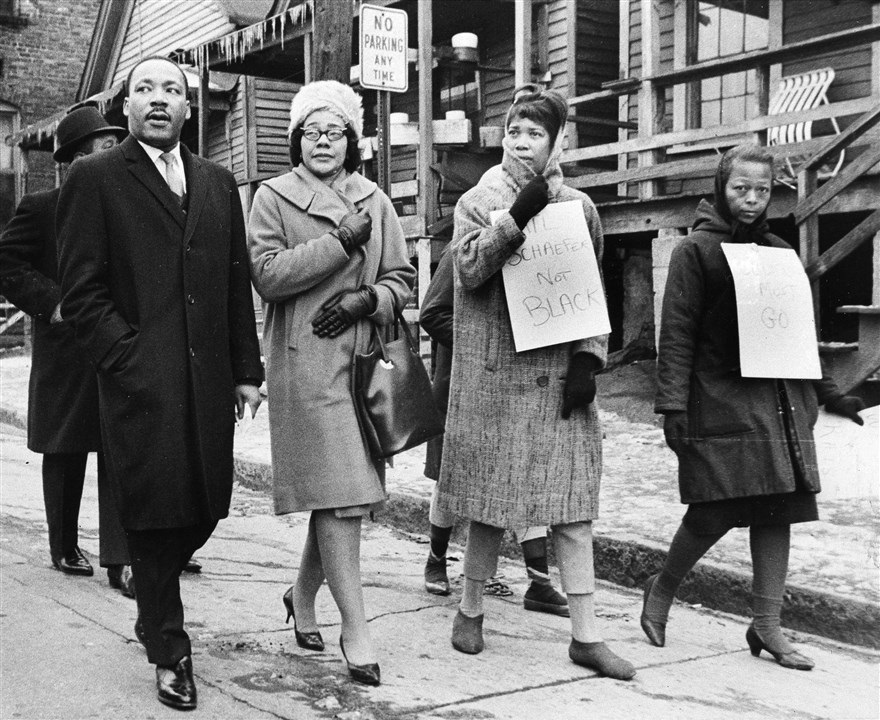
Leaders like Martin Luther King Jr., Ella Baker, and John Lewis are remembered not only for their words, but for how they empowered others. Ella Baker believed in developing leaders at the grassroots level. John Lewis began his activism as a student and carried those values throughout his life.
Their stories show that meaningful leadership is not about standing alone. It is about listening, organizing, and lifting others up.
Experiencing History Where It Happened
Educational travel brings these lessons to life. Visiting civil rights landmarks allows students to step into the stories they learn about in the classroom and see history through a more personal lens.
In Atlanta, students can explore the Martin Luther King Jr. National Historical Park and learn about the city’s role in the movement. In Selma, crossing the Edmund Pettus Bridge creates a powerful connection to the fight for voting rights. In Washington, D.C., the National Museum of African American History and Culture offers space for reflection on the resilience, contributions, and experiences of Black Americans.
These experiences encourage deeper conversations and help students understand the lasting impact of collective action.
Why It Matters
Black History Month is not only about looking back. It is about helping students recognize their role in shaping the future. Learning about the Civil Rights Movement shows what is possible when people stand up for one another and work toward change together.
Through educational travel, students do not just learn history. They experience it, reflect on it, and carry those lessons forward.