


From Selfies to Scavenger Hunts: Using Smartphones as Instructional Tools on a Student Travel Program
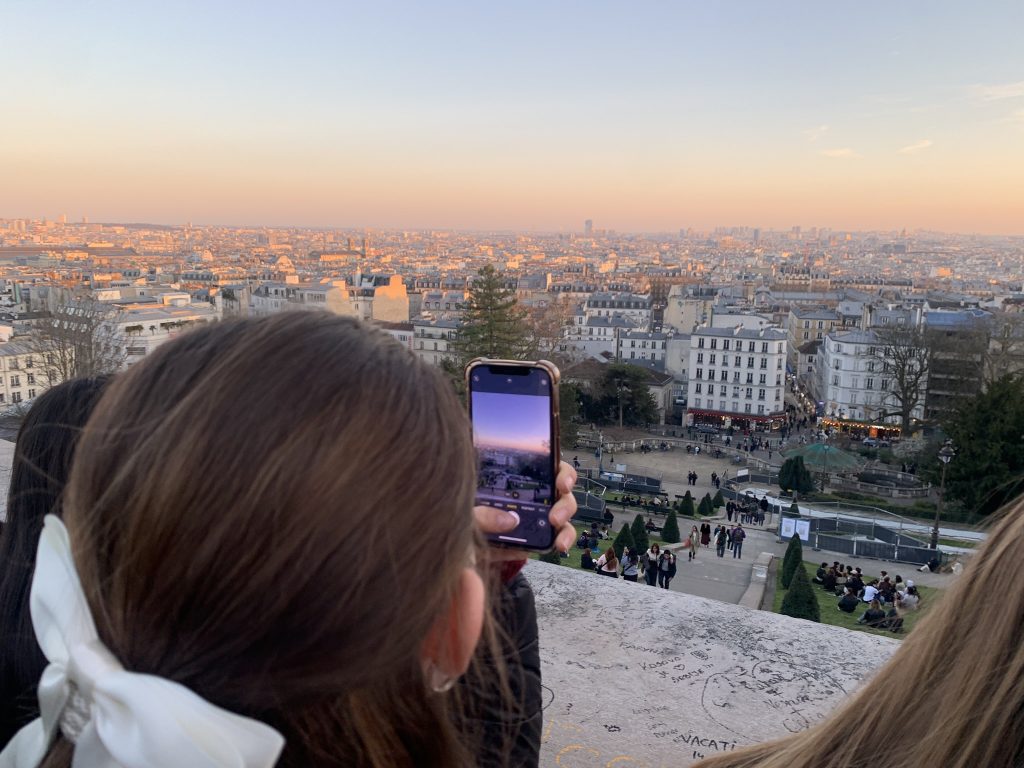
Smartphones are a constant presence in students’ lives, including during school trips. When used intentionally, they can enhance learning, support engagement, and deepen understanding on educational travel programs. Rather than viewing phones as distractions, educators can use them as instructional tools that support experiential learning before, during, and after travel.
Student travel programs with WorldStrides Canada and Explorica offer immersive environments where technology can be used purposefully to connect classroom learning with real-world experiences.
Photo Challenges and Selfie Assignments on School Trips
Photography-based activities are an effective way to encourage observation and reflection during student travel programs. Educators can assign photo challenges that ask students to document specific themes, such as cultural traditions, historical landmarks, or architectural styles.
Selfie assignments can also be instructional when paired with reflection prompts. For example, students might photograph themselves at a significant site and explain its historical or cultural importance. These activities promote critical thinking while helping students engage more meaningfully with their surroundings.
From an educational travel perspective, photo-based learning supports visual literacy, personal connection to place, and student ownership of learning.
Scavenger Hunts Using Smartphones
Scavenger hunts are a popular and highly engaging activity on school trips. Smartphones allow educators to design interactive scavenger hunts that use GPS, cameras, and note-taking apps to guide exploration.
Students can work in small groups to locate landmarks, interpret historical details, or identify cultural elements within a destination. This approach encourages collaboration, problem solving, and active participation, all while reinforcing curriculum connections.
For student travel programs, scavenger hunts help transform cities, museums, and cultural sites into hands-on learning environments.
Digital Journaling and Blogging for Educational Travel
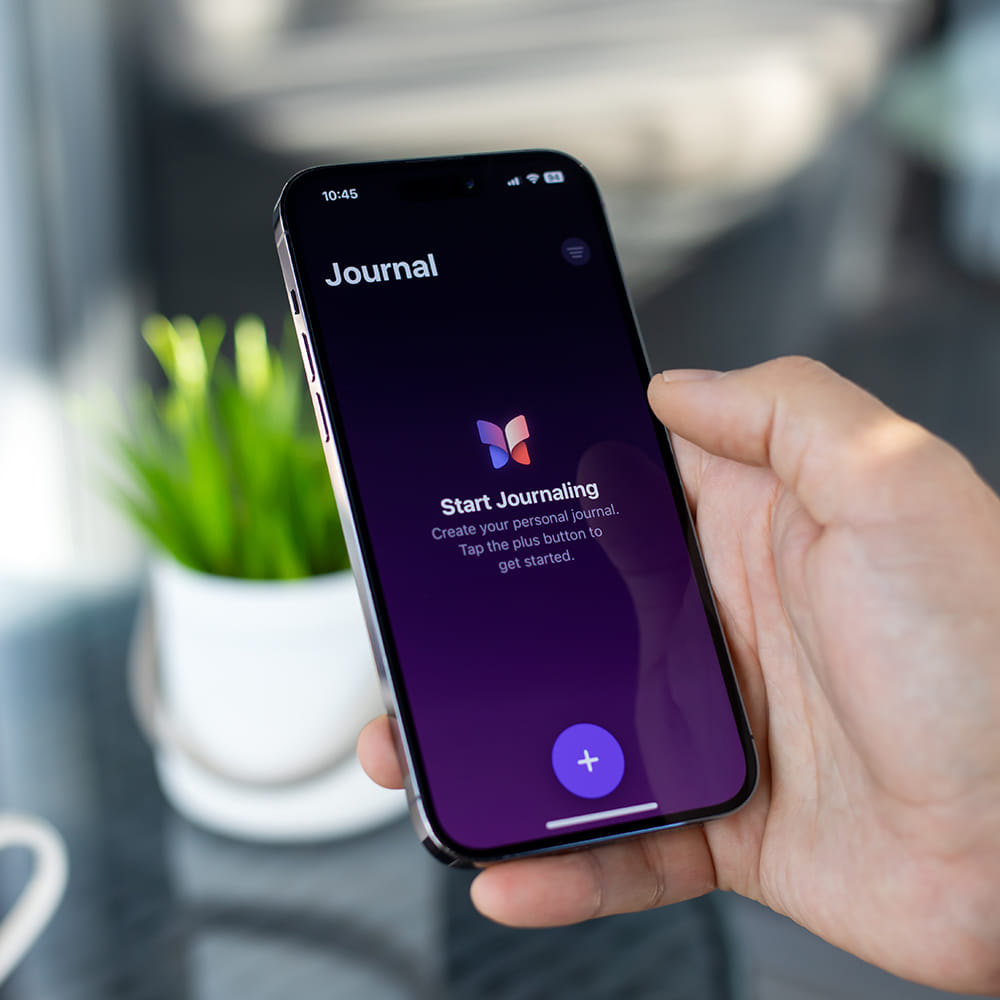
Reflection is a core component of experiential learning, and smartphones make it easy for students to capture insights in real time. Digital journaling apps or shared blogs allow students to document daily experiences through written reflections, photos, and short videos.
Throughout a student travel program, these digital journals help students connect what they are seeing and doing to classroom learning goals. After returning home, journal entries can be used for assignments, presentations, or assessment, extending the educational value of the trip.
Responsible Social Media Sharing on Student Travel Programs
Social media can be a positive learning tool when clear guidelines are in place. Educators may choose to create a shared hashtag or private group where students can post photos and reflections from their school trip.
This approach helps build community, keeps families informed, and allows students to practise responsible digital citizenship. Expectations around privacy, respectful content, and appropriate posting should be established before departure.
Educator Tips for Using Smartphones Effectively on School Trips
To ensure smartphones enhance learning rather than distract from it, structure and expectations are essential.
Before the trip
- Introduce students to any apps or platforms they will use.
- Review digital safety, privacy, and respectful technology use.
- Outline when phones are permitted and when they should be put away.
During the trip
- Use smartphones for guided activities tied to learning objectives.
- Encourage group work to keep students engaged and accountable.
- Reinforce respect for local people, customs, and cultural sites.
After the trip
- Use photos, journals, and research gathered during travel for reflection activities.
- Assign presentations or digital portfolios to connect travel experiences to curriculum outcomes.
Enhancing Student Travel Programs Through Purposeful Technology
When used with intention, smartphones can strengthen engagement, reflection, and learning on educational travel programs. By providing structure and clear learning goals, educators can turn everyday technology into a meaningful extension of the classroom.
Student travel programs through WorldStrides Canada offer rich opportunities to combine experiential learning with responsible, guided technology use, helping students build global awareness, critical thinking skills, and lasting connections to the world beyond school.